
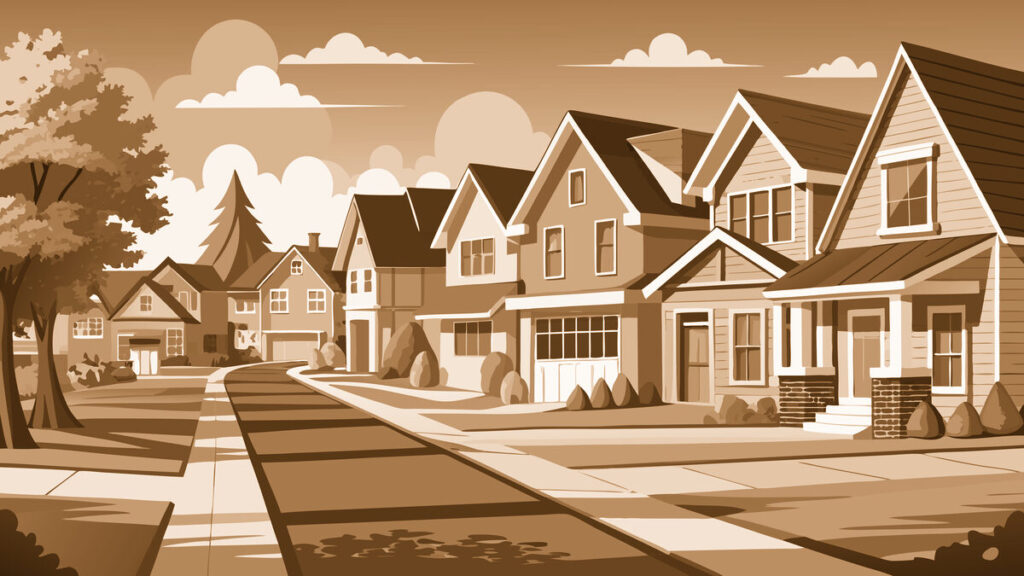
Nestled in the southern reaches of Mount Vernon, the Maple Manor neighborhood is a hidden gem steeped in history, leafy charm, and community spirit. Lifelong residents and newcomers alike often remark on how Maple Manor feels like a town within a city — a place where history lingers, and every street tells a story. Whether you stroll the peaceful sidewalks of Magnolia Avenue or pause in the shade at Ashburton Park, understanding Maple Manor’s past helps explain what makes this enclave so special today.
Origins and How Maple Manor Got Its Name
Maple Manor traces its roots to the early 20th century, as Mount Vernon expanded to accommodate families seeking respite from the hustle of New York City. The area was once part farmland, known for its rolling fields dotted with stately maple trees that had long lined the property of the original Manor estate. Local lore says it was this dense stand of maples, especially vibrant each fall, that led early developers to christen the area “Maple Manor” — an elegant nod to its natural beauty and one of the first estates that graced these grounds.
The “Manor” portion of the name hails from the Maple family’s grand homestead, which, though lost to time, once stood near what is now the intersection of Maple Manor Drive and Cedar Place. Its stone foundation can still be glimpsed in the community garden behind the current Maple Manor Community Center.
Key Historical Milestones
Over its century-long history, Maple Manor has witnessed the changing tides of Mount Vernon. Some key milestones include:
- 1922 – Subdivision and Early Development: The first plans for subdivision were filed with the city, laying out the grid that still shapes the neighborhood today. Streets like Linden Lane and Elmwood Avenue were plotted, and classic Tudor- and Colonial-style homes began to rise.
- 1936 – The Great Storm: The “Maple Gale,” as old-timers still call it, felled a dozen of the neighborhood’s oldest maples, prompting a community replanting effort that is now an annual autumn tradition.
- 1950s – Community-Building: Post-war expansion brought new families, and with them, the establishment of the Maple Manor Civic Association. The group was instrumental in the founding of Ashburton Park and in advocating for safer pedestrian crossings at the busy intersection of Willow Street and Oakwood Road.
- 1978 – Preservation Efforts: Faced with the threat of modern development, residents formed the Friends of Maple Manor, whose advocacy protected a stretch of historic homes on Maple Manor Drive from demolition.
Notable Landmarks and Buildings
Maple Manor’s historical identity is still visible in its architecture and green spaces:
- Maple Manor Community Center: Situated in a tradition-rich brick building at 12 Elmwood Avenue, the Community Center was once a schoolhouse, built in 1930. Today, it hosts everything from yoga classes to local history talks.
- Ashburton Park: The heart of the neighborhood, this leafy oasis is beloved for its walking trails, old-growth trees, and the annual fall fair.
- The Old Stone Wall: Running for two blocks along Cedar Place, this wall is a remnant of the original Manor estate and one of Maple Manor’s most photographed landmarks.
- Historic Row Houses: The pastel-hued homes along Linden Lane showcase the neighborhood’s original Colonial Revival architecture, each with its own story and meticulously maintained gardens.
Streets, Parks, and Institutions
Winding through Maple Manor, several thoroughfares and sites have become central to its heritage:
- Maple Manor Drive: With its graceful curve and stately maples, this street offers a glimpse into the neighborhood’s earliest days.
- St. Christopher’s Church: Founded in 1928 on Willow Street, this institution has long served as a spiritual center and gathering spot for generations of residents, hosting everything from weddings to summertime festivals.
- The Maple Little Library: Located on the corner of Oakwood Road and Elmwood Avenue, this cheerful, brightly painted box invites neighbors to “take a book, leave a book” and is a symbol of Maple Manor’s close-knit spirit.
Evolution Over the Decades
Time has brought change to Maple Manor, yet its tight-knit spirit and leafy tranquility have endured. In the 1980s, as Mount Vernon diversified, Maple Manor welcomed new residents from a variety of backgrounds, each adding their own traditions to the mix. Today, the neighborhood’s annual block party, summertime concerts in Ashburton Park, and winter caroling are all traditions that reflect its multicultural composition.
Development has remained mercifully modest, with new homes and renovations adhering to historical guidelines established by the Civic Association. Residents pride themselves on maintaining the legacy of stewardship begun by those early re-planters after the Maple Gale.
Maple Manor has also adapted to the times. Bike lanes now line Willow Street, and the Community Center offers classes in digital literacy along with its beloved quilting bee. Yet at its core, Maple Manor remains a place where neighbors greet each other by name, children walk to Ashburton Park after school, and the sound of leaves rustling still defines the rhythm of a fall afternoon.
What Makes Maple Manor Special
Ask anyone who calls Maple Manor home and you’ll hear about:
- A Deep Sense of Belonging: With its active civic association and volunteer groups, Maple Manor is a place where residents look out for one another.
- Living History: The neighborhood’s stone walls, mature trees, and lovingly preserved homes serve as daily reminders of its storied past.
- Easy Access, Urban Connection: While Maple Manor feels a world away, its proximity to Metro-North’s Fleetwood station and downtown Mount Vernon means the buzz of the city is never far.
- Legacy of Green: The founders’ devotion to green space still pays dividends, with shaded sidewalks, pocket parks, and that unmistakable carpet of golden leaves each autumn.
In every season, Maple Manor is a neighborhood that honors its roots even as it grows and evolves. For those fortunate enough to experience its charms, the story of Maple Manor is more than local history — it’s home.